




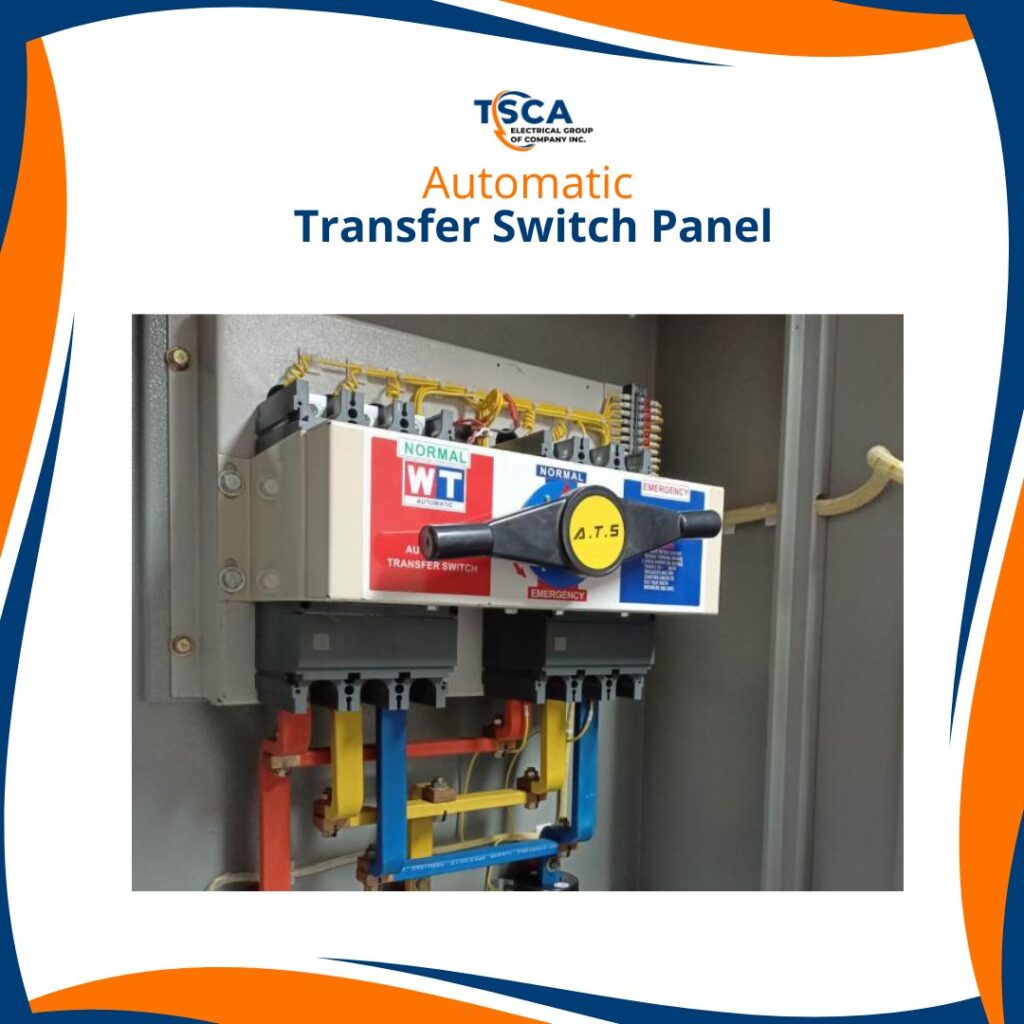
In today’s industrial landscape, where operations rely heavily on continuous power supply, the importance of ensuring power reliability cannot be overstated. An Automatic Transfer Switch (ATS) plays a critical role in this, providing a seamless transition between power sources during outages. ATS installation is an essential aspect of modern industrial setups, ensuring that processes remain uninterrupted and equipment stays protected. Let’s explore the benefits of Automatic Transfer Switches in industrial operations.
1. Ensures Continuous Power Supply
The primary benefit of an Automatic Transfer Switch is its ability to automatically shift from the primary power source to a backup generator or alternative power supply in the event of an outage. This instantaneous switch minimizes downtime and keeps critical equipment operational. Industries that rely on sensitive machinery and technology can experience catastrophic consequences from even a brief power interruption. An ATS ensures that operations continue without manual intervention, safeguarding productivity and profitability.
2. Enhances Power Reliability and Stability
Power reliability is crucial in industries where uninterrupted operations are necessary for safety and efficiency. ATS installations are designed to monitor the quality of power and automatically switch when fluctuations or failures are detected. This provides industries with stable and reliable power, ensuring that equipment runs smoothly without risks of damage due to voltage irregularities or power surges.
3. Reduces Operational Downtime and Maintenance Costs
Downtime in industrial operations can result in substantial financial losses. By automatically switching to a backup power source, an ATS reduces the time it takes to restore power, minimizing disruptions and maximizing uptime. Additionally, it reduces the need for manual intervention, allowing staff to focus on core operations rather than troubleshooting power issues. Over time, this reduces the costs associated with manual resets, maintenance, and emergency repairs.
4. Protects Equipment and Personnel
Automatic Transfer Switches not only ensure continuous power but also protect equipment and personnel by providing a safe transfer of power. The ATS is designed to handle the power switch seamlessly, avoiding power spikes or surges that could damage sensitive industrial equipment. It also eliminates the need for manual handling of power switches, reducing the risk of accidents or injuries among personnel.
5. Simplifies Power Management in Complex Systems
Industries often operate complex systems that require multiple power sources. ATS installation streamlines the management of these systems, allowing automatic control over switching between power supplies. This is particularly beneficial in facilities where multiple backup generators or alternative power sources are available, as the ATS can be programmed to select the most appropriate source based on the availability and stability of power.
6. Supports Regulatory Compliance and Standards
Many industries operate under strict regulations that mandate power reliability and safety. An ATS helps organizations meet these standards by ensuring that power is quickly restored during outages, and by maintaining the integrity of power supply systems. ATS installations also come with monitoring capabilities that allow for regular testing and compliance checks, providing documentation that can be used for audits or regulatory reviews.
7. Offers Scalability and Customization
Another benefit of Automatic Transfer Switches is their scalability and flexibility. ATS systems can be customized to fit the specific needs of an industrial operation, whether it’s a small facility or a large-scale plant with multiple power requirements. They can be integrated with existing power systems or new installations, providing a tailored solution that matches the operational demands and future growth of the business.
8. Enhances Energy Efficiency
Modern ATS installations come with advanced features that can optimize energy use. Some ATS systems are equipped to prioritize the use of the most efficient power source, ensuring that the backup generator is only used when absolutely necessary. This intelligent management of power sources not only conserves energy but also extends the lifespan of backup equipment, leading to long-term savings.
Conclusion
Incorporating an Automatic Transfer Switch into industrial operations is a strategic investment for any business that values power reliability and operational efficiency. ATS installation ensures continuous power supply, protects equipment, minimizes downtime, and supports regulatory compliance. With the growing complexity of industrial power systems, having a robust solution like an ATS is essential for maintaining stability and ensuring uninterrupted operations.
By understanding the numerous benefits of Automatic Transfer Switches, industries can better prepare for power outages and build a more resilient infrastructure that supports growth, safety, and efficiency.