




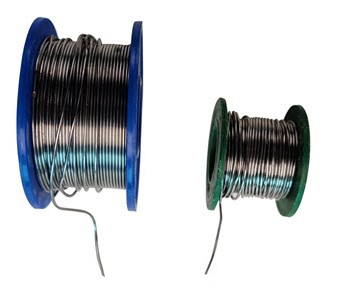
Besides heavy equipment, successful soldering requires specialized tools to prepare materials and clean surfaces. Essential items range from filler solders and flux pens for surface preparation to soldering wicks, pastes, and desoldering pumps for precise assembly and cleanup.
Besides equipment, you also need certain tools to perform soldering. These tools are responsible for preparing the materials before soldering and cleaning the surface after the process. Selecting the right combination of fillers, fluxes, and cleanup accessories ensures durable and professional electrical connections.
Quick Reference: Essential Soldering Tools & Accessories
| Tool / Accessory | Function & Primary Use Case | Key Mechanism / Application |
| 1. Solder | Filler material that melts and joins two metals. | Must have a lower melting point than the joined materials; available with or without lead. |
| 2. Solder Flux | Chemical cleaning agent applied before soldering. | Removes surface oxides, prevents re-oxidation, and strengthens electrical joints. |
| 3. Solder Flux Pen | Precise, targeted application of flux. | Pen applicator designed for detailed PCB work, applying flux only where needed. |
| 4. Solder Seal Wire Connectors | Tube-shaped connectors used to join wires. | Internal solder melts via heat gun or lighter, creating a secure, sealed wire joint. |
| 5. Solder Tips | Heat-transfer tips attached to the soldering iron. | Copper core coated with iron/nickel in various shapes tailored for specific soldering tasks. |
| 6. Soldering Wick | Desoldering braid made of intertwined copper wires. | Absorbs melted solder away from joints when heated with an iron. |
| 7. Solder Paste | Viscous mixture used in PCB electronic component assembly. | Minute solder spheres combined with flux, applied via stencils to target areas. |
| 8. Solder Sucker | Manual desoldering pump (bulb or piston style). | Sucks up melted solder from PCBs to clean joints and clear pathways. |
Detailed Breakdown of Soldering Tools
1. Solder
Solder is the filler material that melts and joins two materials. The golden rule is that it must have a lower melting point than the metals being joined so it melts first and forms a solid bond. Solders come in both leaded and lead-free compositions.
2. Solder Flux
Solder flux is a chemical agent used to clean metal surfaces before joining. While you can solder without flux, joints may lack structural strength. Flux removes surface oxides and prevents further oxidation, significantly strengthening the connection.
3. Solder Flux Pen
A solder flux pen applies flux precisely where needed prior to soldering, making it ideal for intricate PCB work. Users simply depress the tip to saturate it with flux and apply it directly to the designated electronic components.
4. Solder Seal Wire Connectors
Shaped like a small tube, these connectors join wires seamlessly. When heated with a lighter or heat gun, the internal solder melts and flows through the disjoined wires, solidifying into a secure connection.
5. Solder Tips
The tip of the soldering iron heats and melts the solder. Typically built with a thermally conductive copper core coated in iron or nickel, solder tips come in various shapes designed for specific tasks.
6. Soldering Wick
Soldering wick is a desoldering tool made of intertwined copper wires. When placed against a heated joint, the wick melts and draws up the solder. Once saturated, that section of the wick is snipped off and the process is repeated.
7. Solder Paste
Solder paste is used in PCB assembly for mounting electronic components. Consisting of minute solder spheres held together by flux, it is applied via stencils exclusively to areas requiring solder.
8. Solder Sucker
Also known as a desoldering pump, this tool removes molten solder from PCBs. Using either a compressible bulb or a spring-loaded piston, it creates suction to clear away unwanted solder after it has been liquefied by an iron.
Get Professional Support with Your Electrical Projects
Having the right tools and accessories ensures every electrical connection and circuit board assembly meets the highest standards of safety and durability.
Contact TSCA Electrical Group today for expert assistance with your projects, or explore our complete catalog of industrial electrical products and services.