




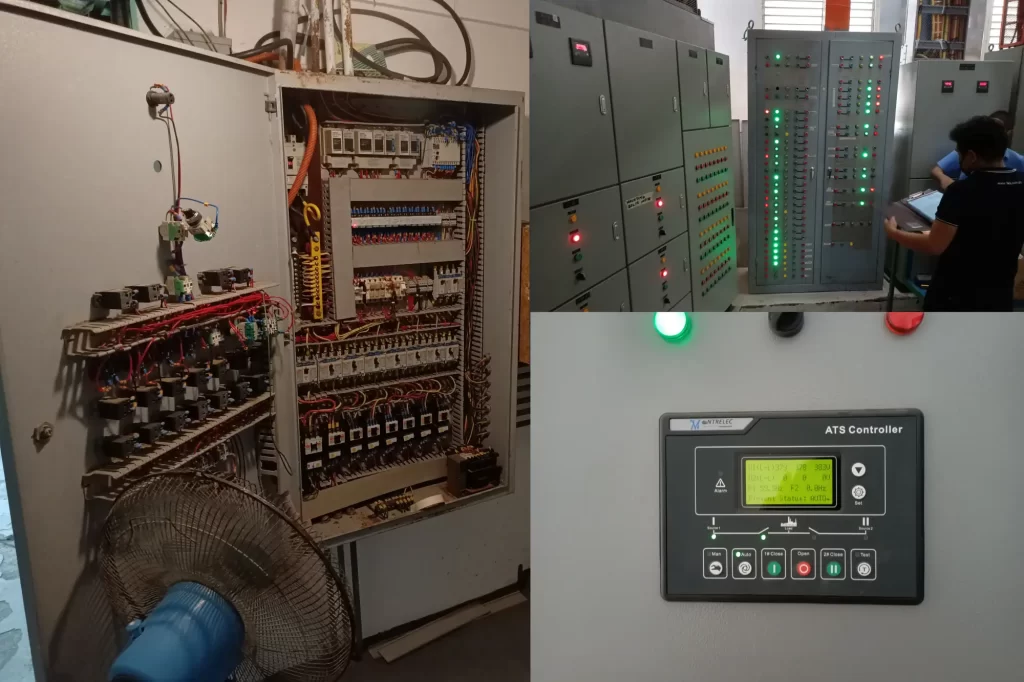
An electric power supply system provides electricity across industrial, municipal, and commercial branches through an integrated network of power sources, step-up and step-down substations, and feeder systems. System layouts rely on bringing high-voltage inputs as close to load centers as possible to minimize power losses and maximize efficiency.
Electric power supply refers to the providing of electricity for all branches of the economy: industry, agriculture, transportation, municipal services, and more. A system for electric power supply includes power sources, step-up and step-down electric power substations, electric feeder and distribution systems, and various auxiliary devices and structures.
The organizational structure of electric power supply is determined by characteristics of generation and distribution that have been established historically, with common principles governing design across industrially developed countries. Certain distinguishing features and local differences are due to geographical size, climatic conditions, level of economic development, industrial volume, and distribution density.
Core Components of Electric Power Supply
1. Power Sources
The principal sources of electricity are electric power plants and feeder systems of regional energy systems. District heat and power plants supply both electricity and heat to industrial enterprises and cities, with capacities depending on production requirements. These plants typically feature generator voltages up to 20 kilovolts (kV) and are usually sited 1–2 km outside enterprise boundaries. Certain consumers—such as electric furnaces and electrolytic equipment—can ease the burden on power sources during peak hours by allowing safe power interruptions, evening out load curves.
2. Voltage Optimization and Selection
Voltages represent optimum values tested in practice, chosen based on the power transmitted and the distance from the power source to the consumer.
Quick Reference: Voltage Distribution Hierarchy
| Voltage Level | Primary Application & Infrastructure Use |
| 110 kV and 220 kV | Power supplied to large industrial enterprises, transport, and municipal services; primary distribution stages (110 kV is widely used to accommodate aerial lines in built-up areas). |
| 330 kV and 500 kV | Utilized for particularly large energy consumers. |
| 35 kV | Feeder and distribution systems of medium-power industrial enterprises, small/medium cities, rural electrical systems, and high-capacity users like electric furnaces. |
| 20 kV | Applied in areas with low electric load density or large facilities served by district heat and power plants with 20 kV generators. |
| 6 kV and 10 kV | Electric power distribution at various supply levels in industrial enterprises and cities; ideal for supplying small power consumers near the source (10 kV is most commonly adopted as primary voltage). |
3. System Layouts and Design Principles
Circuits for electric power supply are designed on the principle of bringing a high-voltage source as close as possible to consumers with a minimum number of intermediate switching and transformer stages. Step-down substations are located centrally at electrical load centers to reduce power losses, decrease material requirements, improve operating conditions, and minimize intermediate links. High-level inputs (ranging from 35 to 220 kV) utilize trunk or radial cable/aerial lines depending on environmental and structural factors.
Contact TSCA Electrical Group today for expert assistance with your industrial electrical requirements, or explore our complete catalog of industrial electrical products and services.