




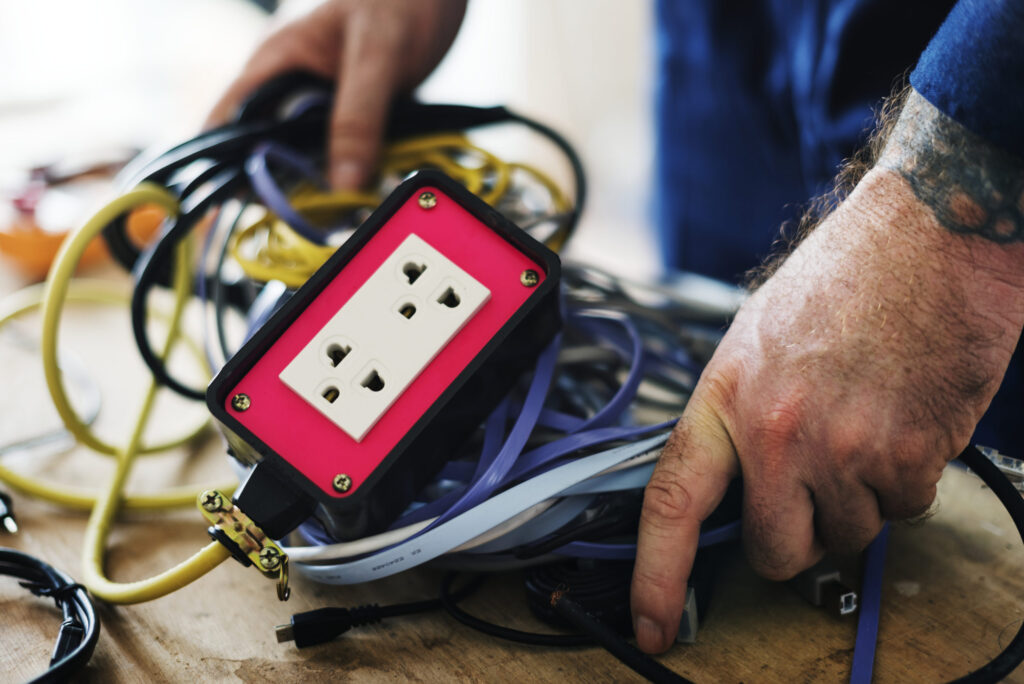
Whether you are designing a commercial electrical system, upgrading an industrial panel board, or managing residential wiring, understanding fundamental electrical materials is essential. Electrical materials comprise the protective devices, conductors, and control units that safely route, switch, and deliver electrical power across a circuit.
A well-engineered installation relies on high-grade components to ensure grid stability, prevent overcurrent hazards, and deliver uninterrupted power.
Direct Answer: What Are Electrical Materials?
Electrical materials are the functional components—including conductors, circuit breakers, switches, enclosures, and wiring devices—used to construct, protect, and control an electrical distribution system. They serve to carry current safely from a primary power source to end-use equipment and end-point appliances.
6 Essential Types of Electrical Materials
1. Electrical Switches
An electrical switch is a control device designed to make or break an electrical circuit.
- Function: By opening or closing the circuit contacts, switches regulate the flow of electricity to lighting fixtures, heavy machinery, or auxiliary equipment.
- Commercial Applications: Switches range from standard single-pole wall switches to heavy-duty industrial toggle switches, selector switches, and contactors.
2. Circuit Breakers & Protective Fuses
Protective devices prevent catastrophic electrical fires and equipment damage by automatically interrupting current flow during fault conditions.
- Circuit Breakers: Modern thermal-magnetic circuit breakers reset after tripping, making them the standard for modern main distribution panel boards and sub-panels.
- Electrical Fuses: Fuses contain an internal sacrificial strip that melts when excessive current passes through, instantly isolating the circuit during severe overloads or short circuits.
3. Convenience Outlets (Receptacles)
A convenience outlet (or electrical receptacle) acts as a fixed point of access where current-consuming devices draw power from the main building wiring.
- Duplex & Multi-Gang Outlets: Available in standard configurations, high-voltage industrial sockets, and weather-resistant enclosures.
- Safety Standards: Modern codes require Ground Fault Circuit Interrupter (GFCI) receptacles in damp or wet locations to protect users against electric shocks.
4. Male Plugs & Connectors
A male plug is a molded or assembly-type wiring terminal fitted with prongs that insert into a matching convenience outlet.
- Function: Attached to heavy-duty power cords, male plugs connect portable machinery, computers, and industrial equipment directly to the branch circuit.
5. Electrical Wires & Conductors
Conductors provide the physical pathway through which electric current flows from source to load.
- Stranded Wire: Made of multiple small gauge copper strands twisted together, offering high flexibility for industrial equipment, conduits, and control panels.
- Solid Wire: Features a single thick copper or aluminum conductor. Its rigid structure makes it ideal for permanent building wiring, junction boxes, and long conduit runs.
Frequently Asked Questions (FAQ)
What is the difference between solid and stranded copper wire?
Solid wire consists of a single solid conductor thread, offering lower resistance and easier termination in fixed structural conduits. Stranded wire consists of multiple fine wire strands bundled together, offering superior resistance to metal fatigue and vibration in flexible applications.
Why are circuit breakers preferred over traditional fuses in modern panels?
While both serve as overcurrent protection, circuit breakers can be reset manually or automatically after tripping without replacing components. Fuses must be physically replaced every time an overcurrent event occurs.
Supply Your Projects with Certified Electrical Materials
Selecting high-grade conductors, protective devices, and panel board components is critical for long-term operational safety and building code compliance.
- Looking for commercial-grade wiring and protective devices? Explore our full catalog in our Electrical Store.
- Upgrading your power distribution infrastructure? Discover our custom fabrication and engineering Products and Services.
- Need technical advice for your project? Contact Us today to consult directly with our engineering team.