




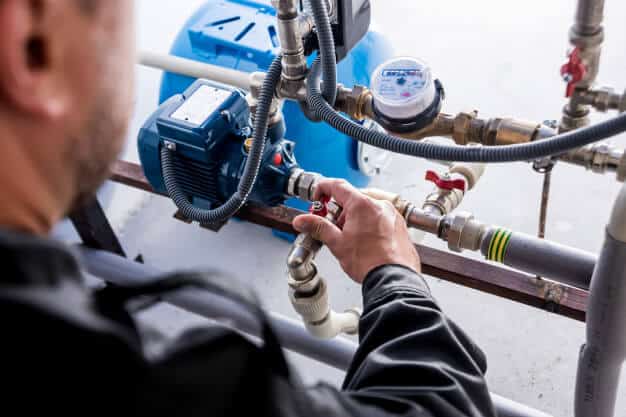
Pumps are critical to many industrial, commercial, agricultural, HVAC, manufacturing, and water-treatment operations. When a pump fails, the consequences can go far beyond the pump itself—it can interrupt production, reduce water flow, damage connected equipment, and result in costly downtime.
That is why regular pump maintenance and professional pump repair services are essential.
A preventive maintenance program helps identify problems before they become major failures. By regularly inspecting the pump, motor, seals, hoses, connections, lubrication, and operating conditions, facility managers can improve reliability and extend equipment life.
This guide explains seven important pump maintenance steps and the warning signs that may indicate your pump needs professional service.
Safety reminder: Pump maintenance can involve electrical, mechanical, hydraulic, and pressurized systems. Equipment should be properly shut down, isolated, and locked out according to your facility’s safety procedures before maintenance begins. Follow the pump manufacturer’s instructions and applicable safety regulations.
Why Is Regular Pump Maintenance Important?
Most facilities rely on multiple pumps to keep essential systems operating.
Depending on the application, pumps may be used for:
- Water supply
- Wastewater treatment
- HVAC systems
- Irrigation
- Manufacturing processes
- Fire protection systems
- Agricultural operations
- Chemical and fluid handling
- Cooling systems
- Industrial process equipment
A pump that is poorly maintained can develop problems such as seal leaks, bearing damage, vibration, overheating, reduced flow, motor failure, or loss of efficiency.
Preventive maintenance can help organizations:
- Reduce unexpected downtime
- Identify developing problems earlier
- Improve pump reliability
- Extend equipment service life
- Maintain system performance
- Reduce emergency repair costs
- Protect connected equipment
Pump Maintenance in 7 Steps
1. Determine the Right Maintenance Frequency
There is no single maintenance schedule that works for every pump.
The appropriate frequency depends on factors such as:
- Pump type
- Manufacturer recommendations
- Operating hours
- Fluid being pumped
- Operating temperature
- Pressure
- Flow rate
- Environment
- Criticality of the pump
- Previous maintenance history
Start with the manufacturer’s maintenance recommendations and adjust the inspection frequency based on actual operating conditions.
For critical equipment, condition-based monitoring and more frequent inspections may be appropriate.
Whenever possible, schedule maintenance during planned shutdowns to minimize disruption to operations.
2. Observe the Pump While It Is Operating
One of the simplest ways to identify developing pump problems is to understand what normal operation looks and sounds like.
Maintenance personnel should be alert for changes such as:
- Unusual vibration
- Excessive noise
- Seal leakage
- Abnormal temperatures
- Unusual odors
- Reduced flow
- Changes in pressure
- Motor overheating
- Unexpected changes in energy consumption
A pump that suddenly sounds different from normal operation deserves attention.
Keeping an inspection log can also help identify trends over time.
For example, gradually increasing vibration may indicate a developing mechanical problem before the pump experiences a complete failure.
3. Make Safety the First Step
Before inspecting or servicing a pump, make sure the equipment has been safely shut down and isolated.
Depending on the installation, this may involve isolating:
- Electrical power
- Hydraulic pressure
- Fluid flow
- Pneumatic systems
- Stored mechanical energy
- Pressurized piping
Follow your facility’s lockout/tagout (LOTO) procedures and the manufacturer’s safety instructions.
Never assume that switching off a control panel is sufficient to make equipment safe.
Pump systems can contain stored pressure, hot fluids, hazardous chemicals, rotating components, or electrical energy.
When a maintenance task requires specialized testing or access to energized equipment, use appropriately qualified personnel.
4. Perform a Mechanical Inspection
A detailed mechanical inspection can reveal many problems before they develop into major pump failures.
Check the following components according to the manufacturer’s procedures.
Mounting and Base
Verify that:
- Mounting points are secure
- Foundation bolts are properly maintained
- The pump is stable
- There are no obvious signs of movement
Excessive movement can contribute to vibration and mechanical damage.
Mechanical Seals and Packing
Inspect seals and packing for:
- Leakage
- Wear
- Damage
- Excessive heat
- Abnormal operating conditions
A small leak can become a larger failure if it is ignored.
Flanges and Connections
Inspect pump flanges and pipe connections for:
- Leakage
- Corrosion
- Damaged gaskets
- Loose connections
- Signs of movement
Couplings and Alignment
Inspect couplings for wear or damage and verify alignment according to the pump and motor manufacturer’s requirements.
Misalignment can contribute to:
- Excessive vibration
- Bearing wear
- Coupling failure
- Seal damage
- Reduced equipment life
Filters and Strainers
Inspect and clean filters or strainers where applicable.
Restricted flow can affect pump performance and may contribute to operating problems.
5. Lubricate Bearings Correctly
Proper lubrication is important for pumps and motors that use lubricated bearings.
However, more lubricant does not necessarily mean better lubrication.
Over-lubrication can cause excessive heat and bearing damage, while insufficient lubrication can also lead to premature wear.
Always follow the manufacturer’s:
- Lubricant specification
- Lubricant quantity
- Lubrication interval
- Application procedure
If a bearing uses a vent or relief arrangement, follow the manufacturer’s instructions for managing excess lubricant.
Do not mix incompatible lubricants without confirming compatibility.
6. Inspect the Motor and Electrical Components
Pump performance depends on both the mechanical pump assembly and its motor and control system.
A qualified technician should inspect electrical components according to the equipment manufacturer’s procedures and applicable electrical safety requirements.
Inspection may include:
- Motor condition
- Electrical connections
- Terminations
- Motor ventilation
- Signs of overheating
- Dust or contamination
- Starters and contactors
- Control equipment
- Protective devices
- Insulation condition
Electrical testing, including insulation-resistance testing with a megohmmeter, should only be performed by appropriately qualified personnel using the correct procedures.
Do not attempt to tighten electrical connections or test energized equipment without proper training and safety controls.
7. Replace Worn Seals, Hoses, and O-Rings
Small components can cause major pump problems.
Inspect components such as:
- Mechanical seals
- Packing
- Hoses
- O-rings
- Gaskets
- Flexible connectors
Replace components when they show signs of damage, excessive wear, deterioration, or leakage.
When installing seals, hoses, or rubber components, use only a lubricant that is compatible with the specific material and application.
Using an inappropriate lubricant can cause rubber components to swell, deteriorate, or lose their sealing properties.
Common Signs Your Pump Needs Repair
How do you know when a pump needs professional repair?
Look for changes in normal operation.
1. Unusual Noise
Grinding, rattling, squealing, or other abnormal sounds may indicate mechanical or hydraulic problems.
2. Excessive Vibration
Increasing vibration can be associated with issues such as misalignment, imbalance, bearing problems, cavitation, loose mounting, or other mechanical conditions.
3. Reduced Water or Fluid Flow
A pump that is no longer delivering its normal flow may have an obstruction, worn components, incorrect operating conditions, suction problems, or another system issue.
4. Seal Leakage
Visible leakage around the pump seal should be investigated rather than ignored.
5. Overheating
Abnormally high motor or bearing temperatures can indicate lubrication problems, excessive load, inadequate ventilation, electrical issues, or mechanical problems.
6. Repeated Motor or Breaker Trips
Repeated electrical protection trips should be investigated.
Do not repeatedly reset a protective device without determining why it is operating.
7. Increased Energy Consumption
A change in energy consumption can sometimes indicate declining pump or system efficiency.
Tracking operating conditions and energy use over time can help identify changes that warrant inspection.
Pump Repair vs. Pump Replacement
Not every pump problem requires complete replacement.
Professional inspection can help determine whether the appropriate solution is:
- Routine maintenance
- Seal replacement
- Bearing service
- Coupling adjustment
- Alignment correction
- Hose replacement
- Motor repair
- Electrical troubleshooting
- Pump refurbishment
- Complete pump replacement
The right decision depends on the pump’s condition, age, application, repair cost, availability of replacement parts, efficiency, and importance to the facility.
For critical systems, the cost of unexpected downtime should also be considered when evaluating repair versus replacement.
Preventive Pump Maintenance Checklist
A practical maintenance program can include the following:
| Inspection Area | What to Check |
|---|---|
| Pump operation | Flow, pressure, noise, vibration |
| Seals | Leakage, wear, damage |
| Bearings | Temperature, lubrication, noise |
| Coupling | Condition and alignment |
| Motor | Temperature, ventilation, condition |
| Electrical system | Connections, controls, protection |
| Filters | Blockage and contamination |
| Hoses | Cracks, wear, leaks |
| O-rings/gaskets | Deterioration and sealing |
| Mounting | Bolts, foundation, movement |
| Operating data | Pressure, flow, temperature, energy use |
Keep maintenance records so that changes can be compared against previous inspections.
How Often Should a Pump Be Serviced?
The answer depends on the pump and its operating environment.
A pump operating continuously in a demanding industrial application may require more frequent inspection than a pump operating intermittently under lighter conditions.
A good maintenance program combines:
Manufacturer recommendations + operating conditions + equipment history + criticality of the system.
For critical pumps, condition monitoring can provide additional information between scheduled maintenance activities.
Why Professional Pump Repair Services Matter
Pump systems can involve mechanical, electrical, hydraulic, and control-system problems at the same time.
Professional pump repair services can help identify the actual cause instead of simply replacing the first component that appears damaged.
A qualified service provider can assess issues involving:
- Pump performance
- Motor operation
- Mechanical seals
- Bearings
- Couplings
- Alignment
- Electrical controls
- Hoses and connections
- System pressure and flow
- Preventive maintenance requirements
This approach can reduce repeat failures and help facilities maintain reliable operation.
Frequently Asked Questions About Pump Maintenance
What is the most important part of pump maintenance?
There is no single component that matters most. A reliable maintenance program combines regular observation, mechanical inspection, proper lubrication, electrical inspection, seal and hose inspection, and performance monitoring.
What causes a pump to fail?
Pump failures can result from several conditions, including poor lubrication, misalignment, cavitation, bearing wear, seal failure, electrical problems, blocked flow paths, incorrect operating conditions, and inadequate maintenance.
How do I know if my pump needs repair?
Unusual noise, vibration, leakage, overheating, reduced flow, repeated electrical trips, and changes in operating performance are common warning signs that a pump should be inspected.
Can pump maintenance prevent unexpected downtime?
Preventive maintenance cannot eliminate every failure, but regular inspections and condition monitoring can identify many developing problems before they result in an unexpected shutdown.
Should I repair or replace an old pump?
The decision depends on the pump’s condition, operating efficiency, repair cost, parts availability, age, and criticality. A professional assessment can help determine which option makes the most economic and operational sense.
Keep Your Pump System Running Reliably
Pumps may be easy to overlook when everything is operating normally, but they are often critical to the operation of a facility.
A structured maintenance program helps identify problems early, protect equipment, reduce unplanned downtime, and maintain reliable system performance.
If your pump is showing unusual vibration, leakage, overheating, reduced flow, abnormal noise, or repeated electrical problems, don’t wait for a complete failure.
Professional pump repair and maintenance services can help identify the underlying problem and determine the most appropriate solution.
Need help with your pump system? Contact TSCA Electrical Group to discuss your electrical, pump, control, and equipment requirements.