



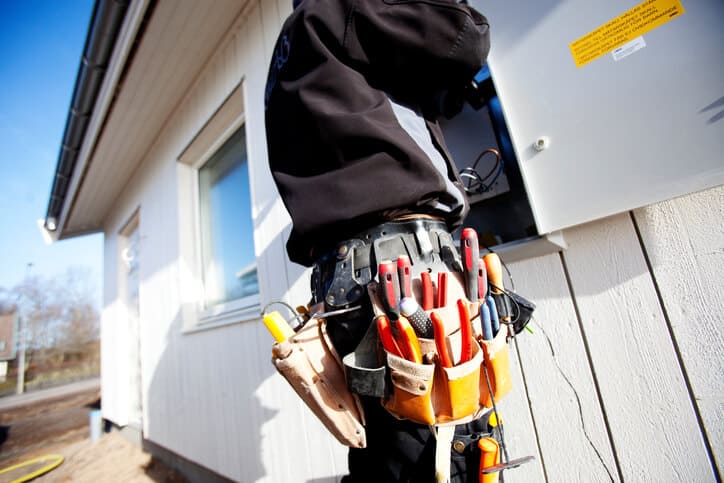
Electrical injuries in industrial environments typically stem from three major hazards: working in ungrounded hazardous areas, using unverified or substandard equipment, and bypassing proper safety practices like Lockout/Tagout (LOTO). Adhering to strict electrical safety standards is essential for preventing workplace accidents.
Finding a reliable electrical supply and partnering with certified professionals for your projects makes system maintenance safer and more efficient. However, ensuring you have the right components goes beyond speed—it is primarily about safeguarding personnel working on industrial power systems. To maintain a secure work environment, be aware of the three most common causes of electrical injuries:
1. Active Antennas vs. Passive Systems
Traditionally, antennas operated as passive devices using basic materials like metal rods and capacitors. However, 5G networks require active antennas driven by Multiple Input/Multiple Output (MIMO) and Massive MIMO (utilizing 16×16, 32×32, and 64×64 configurations or higher). MIMO utilizes multiple signal paths at both the transmitter and receiver to compensate for signal attenuation and blockage.
2. Key Technologies: Beamforming and mmWave
Aside from MIMO, 5G relies heavily on specialized technologies:
- Beamforming: Converts radio waves into narrow beams by focusing RF energy directly onto target terminals.
- mmWave (Extremely High Frequency): Operates at higher frequencies to deliver massive bandwidth, though it requires dense configurations of small cell base stations to overcome propagation losses caused by physical obstructions like buildings and vehicles.
3. Real-World Applications
Advanced 5G antennas enable real-time, mission-critical communications across various high-demand sectors, including industrial automation, robotics, connected Vehicle-to-Everything (V2X) systems, and unmanned aerial vehicles (UAVs).
Quick Reference: Electrical Safety Hazards & Prevention
| Hazard Category | Primary Risk Factor | Prevention & Control Measure |
| Hazardous Environments | Missing or faulty grounding | Verify grounding integrity before testing live circuits |
| Substandard Equipment | Uncertified tools or worn components | Use IEC/IEEE-compliant components and vetted supplies |
| Human Error | Inadequate training / bypassing LOTO | Enforce strict LOTO protocols and certified training |
Whether you are managing a commercial facility or an industrial plant, partnering with a trusted electrical provider ensures your operations remain safe and efficient.
Contact TSCA Electrical Group today for expert assistance, or explore our complete range of industrial electrical products and services.